STRM’s insights are drawn from our direct, ongoing work with families of disabled and neurodivergent children, young people, and adults across Southend, Castle Point, and Rochford.
Through peer support sessions, early-intervention projects, benefits guidance, and community engagement, families consistently share what supports them and where systems fall short. We listen carefully, identify recurring patterns, and translate lived experience into learning that informs our services, partnerships and strategic direction.
Our role is to act as a bridge between lived experience and systems, ensuring community knowledge is visible, credible, and used to improve outcomes.
How Our Insights Shape What We Do
inform the design and development of STRM projects
shape resources, training, and guidance
support advocacy and partnership working
feed directly into STRM’s strategic planning
This ensures our work remains responsive, preventative, and grounded in lived experience.
How We Gather Community Insight
Our insights are informed through a range of co-produced and feedback-led approaches, including:
Peer-to-peer support sessions and community drop-ins
One-to-one family support and benefits guidance
Early-intervention projects, including the TASK Project
Community polls, surveys, and feedback exercises used to identify service gaps, emerging needs, and priority issues
Co-production and structured family feedback shaping services and resources
Partnership working and engagement with statutory and VCSE organisations
This enables STRM to identify recurring themes and shared challenges across families and communities, rather than relying on individual experiences alone.
Co-production in Practice
STRM embeds co-production across its work. Families are not consulted at the end of a process and they are involved in shaping priorities, content, and delivery from the outset.
Co-production happens through:
peer-led spaces where families identify shared issues and priorities
feedback shaping the design and adaptation of projects
lived-experience input into resources, training, and guidance
community insight informing support services and system engagement
This ensures our insights reflect collective lived experience and community priorities, not individual opinion.
Key Insight Themes
Health Inequalities
What we see Families consistently raise concerns about fragmented pathways, long waits, and inconsistent access to support for neurodivergent children and young people. Many report reliance on privately funded care, in contrast to the coordinated support provided for other long-term health conditions.
Why it matters These inequalities delay intervention, increase distress, and contribute to avoidable escalation.
How STRM responds By providing early guidance, trusted peer support, and evidence-led guidance.
What we see Across our work, families repeatedly highlight how poverty, housing insecurity, caring pressures, and lack of coordinated support affect wellbeing and outcomes for neurodivergent children and their families.
Why it matters Disadvantage compounds need and widens health and social inequalities.
How STRM responds Through whole-family support, benefits advice, and community-based interventions that address wider pressures alongside SEND needs.
What we see Families often experience long periods of uncertainty before receiving clear guidance or support, during which anxiety increases and needs escalate.
Why it matters Delays in early support contribute to crisis-level need and poorer outcomes.
How STRM responds By delivering early-intervention models, such as the TASK Project, that help families make sense of neurodivergence, explore options, and take informed next steps.
What we see Families frequently tell us they feel unheard or excluded from decision-making processes, leading to disengagement, mistrust, and frustration with systems.
Why it matters When lived experience is not represented, services fail to meet real need.
How STRM responds By capturing shared community insight and representing it responsibly through formal engagement, advocacy, and partnership working.
Insight in Practice
Community insight gathered through STRM’s peer support, feedback, and co-production activity has informed discussion at both local and national level. This has included STRM being referenced in parliamentary debate during consideration of SEND-related reform, reflecting explicit recognition of the importance of listening to lived experience when shaping policy affecting neurodivergent and learning-disabled people.
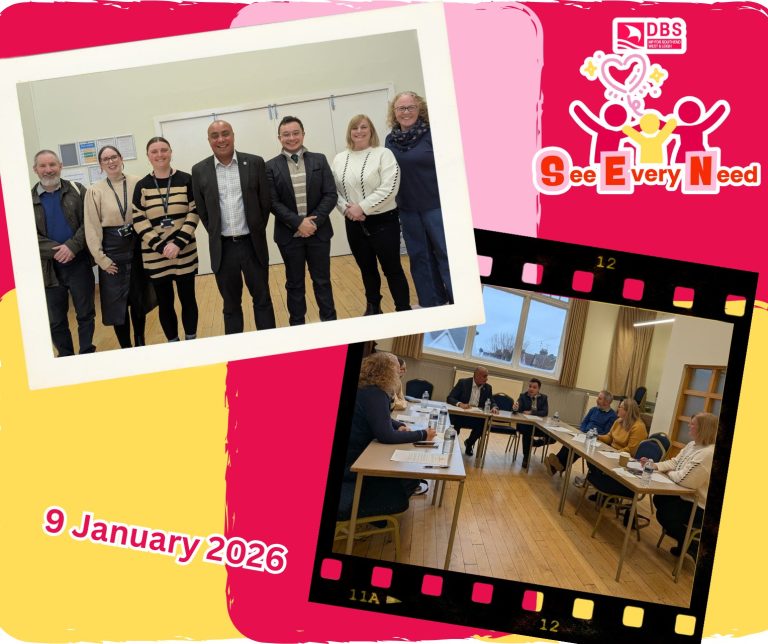
STRM has also contributed lived-experience insight to structured discussions with MPs and partners, including engagement alongside Raw Learning and participation in national SEND and mental health reform conversations with David Burton-Sampson, Bayo Alaba and Luke Murphy.
This ensures community insight is represented where decisions are made.
STRM contributed lived-experience insight to parliamentary discussions on early years SEND, alongside Raw Learning and MPs Bayo Alaba and Luke Murphy.
STRM’s CEO, Maggie Cleary, was pleased to contribute to this workshop, ensuring lived experience from local families informed discussions on SEND reform.